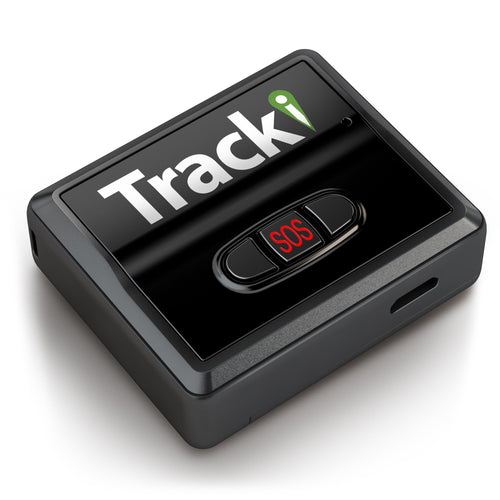
Ever wonder how top fleets always know where their vehicles are, when they need service, and how safely they’re being driven? That’s the power of fleet telematics.
In simple terms, fleet telematics is a system that uses GPS tracking, onboard sensors, and cloud-based software to collect and analyze vehicle data in real-time. It helps fleet managers improve fuel efficiency, enhance driver safety, and reduce maintenance costs across every vehicle they manage.
In this guide, I’ll explain exactly what fleet telematics is, how it works, and why it matters for every fleet manager in 2025.
Key Takeaways
- Fleet telematics combines GPS, sensors, and software to track vehicles in real-time.
- It helps fleets save fuel, prevent breakdowns, and improve safety.
- Predictive maintenance and automated alerts reduce downtime and repair costs.
- Secure platforms ensure compliance, data privacy, and easy integration.
- Future trends like AI, 5G, and video telematics will reshape fleet operations.
- Proper rollout, training, and optimization ensure long-term success.
What Is Fleet Telematics?
Fleet telematics is a technology that connects vehicles, sensors, and cloud-based software to monitor a fleet's operations in real-time. It combines telecommunications and informatics to gather data on location, speed, fuel use, and driver behavior.
This information helps businesses improve efficiency, safety, and maintenance planning. In short, fleet telematics transforms vehicle activity into actionable insights that keep operations running smarter and leaner.
History and Growth of Fleet Telematics
The term telematics comes from blending telecommunication (data transmission) and informatics (data processing). Its roots trace back to the 1960s when the U.S. Department of Defense developed the Global Positioning System (GPS) to track military assets.
As GPS became publicly available in the 1980s, commercial fleets started using it to monitor vehicle location. Over time, advances in internet connectivity, wireless sensors, and machine-to-machine (M2M) communication have transformed simple tracking into today’s intelligent telematics systems.
According to Allied Market Research, the global automotive telematics market was valued at $50.4 billion in 2018 and is expected to reach $320 billion by 2026, showing just how fast telematics adoption is accelerating worldwide.
Who Uses Fleet Telematics
Fleet telematics is used across industries where vehicle tracking and efficiency matter most, including:
-
Transportation and logistics: route optimization and fuel savings
-
Construction and utilities: equipment monitoring and job-site safety
-
Public sector fleets: municipal and emergency service transparency
-
Service businesses: HVAC, plumbing, delivery, and field sales efficiency
Now that we know where telematics fits across industries, let’s look at how it actually works behind the scenes
How Fleet Telematics Actually Works (Step-by-Step)
Fleet telematics might sound technical, but it’s simply a connected system that collects, transmits, and analyzes vehicle data in real time. Each stage helps fleet managers monitor performance, detect issues early, and make data-driven decisions.
1. On-Vehicle Devices and Sensors
A Telematics Control Unit (TCU) or telematics device connects to the vehicle’s OBD-II port or CAN bus system to gather data such as:
- Speed, GPS location, and fuel usage
- Engine diagnostics and idle time
- Harsh braking or rapid acceleration
Some setups also include dashcams for visual context. Together, these devices form the foundation of a vehicle telematics system.
2. Connectivity and Data Transmission
The data is sent through cellular (4G/5G) or satellite networks to a secure cloud server. If the signal drops, the device stores and resends data once reconnected. This ensures continuous and reliable GPS telematics tracking across all environments.
3. Cloud Processing and Data Analytics
Once transmitted, the data is processed within a cloud-based fleet management platform. The system identifies trends in fuel use, maintenance needs, and driver behavior. Advanced telematics fleet management tools can even predict issues before they occur, improving uptime and safety.
4. Reporting and Dashboards
Managers view results in real-time dashboards and reports accessible on web or mobile apps. They can track locations, fuel usage, and performance metrics instantly. Leading fleet telematics companies also enable alerts for speeding, idling, or unauthorized trips, helping teams act fast and manage proactively.
What Data Fleet Telematics Collects and Why It Matters
Fleet telematics goes far beyond simple GPS tracking. It collects valuable data that shows how every vehicle and asset performs. From trip details to engine health, each data point helps improve efficiency, safety, and cost control.
Location and Trip Data
At its core, fleet telematics relies on precise GPS tracking. Every vehicle’s location, route, and trip time are recorded in real-time. Managers can review travel history, detect detours, and spot unnecessary idling. This data helps optimize routes, cut fuel waste, and ensure on-time operations.
Engine and Diagnostic Metrics
Telematics systems also monitor a vehicle’s engine performance and diagnostic codes. Data on fuel consumption, idle time, and fault alerts helps detect maintenance issues before breakdowns occur. For heavy-duty assets like construction or forklift fleets, this early warning prevents costly downtime and keeps operations running smoothly.
Driver Behavior and Safety Events
Telematics tracks how vehicles are driven. It measures speeding, harsh braking, and seatbelt use to build a driver safety profile. With these insights, managers can coach safer driving habits, reduce accident risk, and lower insurance costs. In telematics fleet management, better driving means fewer incidents and higher savings.
Specialized Assets and Equipment Monitoring
Telematics also covers non-road equipment such as trailers, forklifts, and construction machinery. These assets often sit unattended, so tracking provides real-time location, run-time hours, and theft protection. For construction or logistics fleets, this data improves asset utilization and overall job-site efficiency.
Benefits and Use Cases of Fleet Telematics
For fleet operators, telematics isn’t just a fancy add-on. It’s a practical technology that delivers measurable results in fuel savings, driver safety, and compliance. By connecting every vehicle through one smart system, fleet managers can make better decisions, reduce waste, and improve performance.
1. Improve Fuel Efficiency and Cut Costs
One of the biggest benefits of fleet telematics is its impact on fuel use. Real-time GPS tracking and engine data reveal when fuel is wasted through idling, inefficient routes, or aggressive driving. Managers can reroute vehicles, set idle alerts, and optimize schedules to save fuel and increase profits.
2. Increase Driver Safety and Reduce Accidents
Safety is another major advantage. Fleet telematics companies use real-time alerts to report speeding, harsh braking, and other unsafe behaviors. These insights help managers coach drivers, reward safe habits, and reduce accident rates. Platforms such as Ford Pro Telematics combine diagnostics and feedback tools that make fleets safer, more compliant, and easier to manage.
3. Prevent Breakdowns with Predictive Maintenance
With tools like Motive Telematics and Geotab Fleet Management, fleets can switch from reactive to predictive maintenance. Systems track fault codes, mileage, and engine performance to detect early signs of trouble. Automated alerts help schedule repairs before breakdowns happen, minimizing downtime and extending vehicle life.
4. Simplify Regulatory Compliance
For fleets that must meet federal and state regulations, telematics simplifies the process. Systems automatically track ELD (Electronic Logging Devices), HOS (Hours of Service), and emissions data. These digital records replace manual logs, streamline reporting, and ensure full compliance with transportation laws.
5. Optimize Municipal and Government Fleet Operations
Public-sector fleets depend on municipal telematics to improve transparency and service delivery. From garbage trucks to utility vans, real-time data helps municipal or government fleet operations monitor fuel use, maintenance costs, and job progress. The result is more efficient routing, better accountability, and smarter use of taxpayer funds.
Challenges and Limitations of Telematics Systems
While fleet telematics systems offer major advantages, they also come with challenges fleet managers must plan for. From data connectivity to privacy and change management, addressing these issues early ensures smoother implementation and long-term success.
1. Connectivity and Data Reliability Issues
Even the best GPS telematics systems rely on strong network coverage. In remote areas or tunnels, signals can drop, causing temporary data gaps. Most devices use buffering to store data and resend it later, but occasional delays still occur. Reliable connectivity and backup networks are key to maintaining accurate, continuous tracking.
2. Managing Data Overload and Insights
Each telematics device generates thousands of data points daily. Without proper filtering, dashboards can quickly become overwhelming. Setting clear alerts, report thresholds, and KPIs helps managers focus only on actionable insights. Organized data empowers smarter decisions instead of adding noise.
3. Integration with Legacy Systems
Older ERP or fleet management tools often struggle to integrate with new telematics platforms due to differences in software, APIs, or data formats. Choosing systems with open APIs and flexible integration options prevents compatibility issues and ensures smooth communication between platforms.
4. Privacy and Driver Consent Concerns
Because telematics collects real-time data on driving behavior, privacy must be handled carefully. Employee consent, clear data-use policies, and transparent communication are critical. Reputable telematics companies follow strict privacy laws and allow configurable access levels to protect both drivers and organizations.
5. Implementation Costs and Change Resistance
Deploying telematics involves upfront hardware and subscription costs, plus training time. Smaller fleets may find these costs challenging, and some drivers might resist being monitored. Managers can ease adoption by explaining how telematics improves safety, reduces stress, and rewards responsible driving behavior. When teams see the value, change becomes easier.
How to Choose the Right Telematics Platform
With so many telematics companies in the market, choosing the right fleet system can feel overwhelming. The ideal system should match your fleet size, integrate with existing tools, and scale with future growth. Here’s what to look for when evaluating options or upgrading your current setup.
1. Key Features Every Fleet Needs
A strong fleet telematics platform goes beyond basic tracking. Look for:
- Real-time alerts and route optimization
- Maintenance scheduling and customizable reports
- Driver scorecards, geofencing, and mobile access for teams in the field
Also, confirm that the platform offers API connectivity to integrate with your internal systems and scale easily as your fleet expands.
2. Data Ownership and APIs
When comparing solutions like Geotab Telematics or Samsara Telematics, data ownership is critical. You should always retain full control of your fleet data, even if you switch providers.
Open APIs make it possible to export, analyze, and share data across different business tools, preventing vendor lock-in and keeping your information portable.
3. Security and Compliance
Telematics systems handle sensitive data such as vehicle locations and driver behavior. Choose a provider that uses end-to-end encryption, secure servers, and multi-layer authentication.
Top vendors, like Cambridge Mobile Telematics, follow strict standards including GDPR and SOC 2. For government or regulated fleets, make sure your provider meets all required security and compliance frameworks.
4. Scalability and Integration with Other Systems
Your telematics platform should grow with your fleet. Whether managing ten vehicles or a thousand, it must handle large data volumes without lag.
Look for seamless integration with ERP, TMS, dispatch, and fuel systems. Most modern fleet telematics platforms now offer prebuilt connectors or open APIs, simplifying setup and long-term management.
5. Cost and Support Checklist
Before signing a contract, review all costs, hardware, installation, subscriptions, and software updates. Some fleet telematics companies offer plug-and-play devices, while others require professional setup.
Also, check for:
- Warranty coverage and cancellation terms
- 24/7 technical support and training resources
- Service-level agreements (SLAs) that guarantee quick, reliable assistance
A trustworthy provider should offer transparent pricing and strong post-sale support.
Implementation Roadmap for Fleet Telematics
Rolling out a fleet telematics system works best in stages. A structured approach minimizes disruptions, increases adoption, and ensures measurable results. Here’s a practical roadmap fleet managers can follow to implement telematics successfully.
Pilot and Proof of Concept Stage
Begin with a small pilot before full deployment. Select vehicles from different departments or routes and install the telematics system.
This testing phase validates:
- Platform accuracy and reliability
- Ease of use and data visibility
- Integration with existing workflows
Use this stage to gather baseline data on fuel use, mileage, and driver behavior. Once the pilot shows measurable improvements, scale the system across your fleet with confidence.
Rollout and Training
After a successful pilot, expand gradually. Proper onboarding and training are essential for smooth adoption. Ensure drivers and supervisors understand how the devices work, what data is collected, and how it benefits them.
Transparent communication builds trust and reduces resistance. Use dashboards or GPS telematics apps to demonstrate how data improves safety, cuts downtime, and boosts daily productivity.
Monitoring and Continuous Optimization
Implementation doesn’t end after installation. The most successful fleets treat telematics as an evolving system.
- Track performance metrics like fuel savings, safety scores, and maintenance intervals.
- Review results monthly and adjust training or policies based on data trends.
Over time, telematics insights uncover hidden inefficiencies, helping you fine-tune operations and improve ROI. Continuous optimization ensures your system grows with your business.
Future Trends in Fleet Telematics
 Fleet telematics continues to evolve as new technologies reshape how vehicles connect and operate. The next generation of systems focuses on real-time intelligence, automation, and sustainability. Below are the key trends driving this transformation.
AI and Predictive Analytics for Fleet Maintenance
Artificial intelligence is changing fleet management by turning raw data into actionable insights. With AI fleet management, sensors monitor engine performance, tire pressure, and fuel use to predict failures before they happen. This predictive telematics approach reduces downtime, prevents costly repairs, and automates maintenance scheduling.
Edge Computing and Real-Time Processing
Traditional telematics sends data to the cloud, but edge computing telematics processes it directly in the vehicle. This reduces latency and improves real-time responses. IoT fleet systems can detect unsafe driving behavior instantly and trigger alerts on the spot, helping fleets act faster when safety issues arise.
5G and Hybrid Connectivity (Satellite + Cellular)
5G telematics delivers faster data transfer and stronger connectivity. With higher bandwidth, fleets can stream live video, process data faster, and stay connected even in remote areas. Many platforms now combine cellular and satellite networks for uninterrupted GPS telematics coverage anywhere vehicles travel.
Video Telematics and Computer Vision Advancements
Video telematics powered by AI and computer vision is transforming fleet safety. Smart cameras detect risky behavior, fatigue, and road conditions in real time. This helps prevent accidents, improve driver accountability, and provide visual proof for insurance or training.
EV Telematics and Sustainability Metrics
With the rise of electric vehicles, EV telematics helps fleets monitor charging, battery health, and energy use. These systems track emissions reductions and carbon savings, giving fleets the data they need to meet sustainability goals. Sustainability fleet tracking is quickly becoming a standard requirement for modern operations.
Smart City Integration and Government Data Sharing
Smart city telematics connects fleets with municipal infrastructure and traffic systems. Public agencies and government fleet systems share real-time data to improve routing, manage congestion, and coordinate emergency responses. This collaboration leads to safer roads, cleaner air, and more efficient city services.
Conclusion
Fleet telematics has become an essential part of modern fleet management. By combining GPS tracking, sensors, and cloud software, it turns real-time data into insights that cut costs, boost safety, and improve efficiency. From delivery fleets to government operations, telematics helps managers stay in control, prevent problems, and make data-driven decisions.
As AI, 5G, and predictive analytics continue to advance, telematics will keep evolving into a smarter, faster, and more connected solution for every fleet.
FAQs About Fleet Telematics
Q1. How long does it take to install a fleet telematics system?
Installation time depends on fleet size and hardware type. Plug-and-play OBD devices take minutes per vehicle, while hardwired systems can take 1–2 hours, plus setup for dashboards and user accounts.
Q2. What’s the difference between GPS tracking and telematics?
GPS tracking shows a vehicle’s location, while telematics also captures performance data such as engine health, speed, idling, and driver behavior. It gives managers full operational insights, not just maps and routes.
Q3. Can telematics help reduce fleet insurance costs?
Yes. Many insurers offer discounts for fleets using telematics. Real-time safety data and driver behavior reports lower accident risks, improving safety records and qualifying fleets for better insurance premiums.
Q4. Is telematics data secure and private?
Reputable providers use encrypted networks, secure servers, and access controls. Managers must follow data privacy laws, gain employee consent, and ensure information is stored responsibly under regulations like GDPR or SOC 2.
Q5. How do small fleets benefit from telematics?
Small fleets gain faster ROI through fuel savings, maintenance tracking, and real-time visibility. Even with a few vehicles, telematics helps owners cut costs, boost accountability, and operate more efficiently.