Almost half of the drivers ages 16-19 killed in crashes weren’t wearing seat belts, according to the latest report. That’s a tough number to read for any parent. You want your teen to feel independent, but you also want them to come home safe every time they drive.
In this guide, we’ll go over the latest teen driver safety facts, real numbers every parent should know, and proven tips to build safer driving habits.
You’ll also see how simple GPS tracking tools can help you monitor and coach your teen without hovering, because keeping them safe shouldn’t mean losing their trust.
Key Takeaways
- Nearly half of teen crash fatalities involve not wearing seat belts.
- Parents who set rules cut risky driving behaviors by up to 50%.
- Speeding and phone use remain the top causes of teen driver crashes.
- Nighttime driving and passengers increase crash risk by three times.
- GPS tracking helps parents coach safe driving without invading privacy.
Teen Driving Facts & Statistics (2025 Update)
Before we dive into safety tips, let’s look at what the data says. These updated 2024–2025 U.S. statistics highlight why teen driver safety is still a major concern, and how small habits make a big difference behind the wheel.
The Reality Behind Teen Crashes
| Category |
Key Stat (2024–2025) |
Source |
| Fatalities |
Motor vehicle crashes remain the leading cause of death for teens aged 16–19. |
NHTSA |
| Distracted Driving |
Over 34% of teen drivers admitted to reading, texting, or using apps while driving. |
AAA Foundation |
| Seat Belt Use |
45% of teen crash fatalities involved drivers or passengers not wearing seat belts. |
NHTSA |
| Speeding |
Nearly one in three fatal teen crashes involved speeding. |
IIHS |
| Alcohol & Drugs |
About 24% of fatal teen crashes involved alcohol or drug impairment. |
CDC |
| Passengers & Night Driving |
Teens are 3× more likely to crash at night, especially with other teens in the car. |
NHTSA |
These facts show one clear truth: the biggest risks often come from distractions, overconfidence, and lack of experience, not just bad luck.
Teen Driving Fun Facts
Keeping things lighter, here are a few quick facts that show both the challenges and bright spots in safe driving for teenagers:
- Teens with parents who set driving rules are 50% less likely to crash or get tickets.
- Using GPS-based driver monitoring has been shown to reduce risky driving by 25%.
- More than 80% of teens say they drive more carefully when they know their parents can see their driving data.
- Teens are 3× more likely to crash at night, but only 20% of their trips happen after dark.
7 Expert Tips to Keep Teen Drivers Safe
Teaching your teen to drive safely isn’t just about lessons; it’s about habits. These expert-backed tips can help you guide your teen with confidence while giving them the freedom they need to learn responsibly.
1. Lead by Example
Your driving habits set the standard. If you buckle up every time, stay off your phone, and follow speed limits, your teen will copy you.
Try this checklist:
When you model safe driving, your teen learns it’s not just a rule, it’s normal behavior.
2. Set Clear Rules and Curfews
Teens often underestimate nighttime risks. Restrict driving after 9 or 10 p.m. and limit passengers during the first year.
Parent tip: Write these rules down together in a Parent–Teen Driving Contract (PDF) to make expectations clear. It helps your teen understand that driving is a privilege, not a right.
3. Enforce Seat Belt Use 100% of the Time
Seat belts cut the risk of serious injury or death in half. Still, nearly half of the teens killed in crashes weren’t buckled up.
Create reminders:
- Add a sticker on the dashboard: “Belts Before Beats.”
- Set small rewards for consistent use.
- Never start driving until everyone’s buckled up.
Making seat belts a non-negotiable rule builds a lifelong safety habit.
4. Ban Distracted Driving and Phones
Texting while driving takes your eyes off the road for 5 seconds, which is like driving a football field blindfolded.
Do this:
- Use built-in phone-blocking modes like “Focus” (iPhone) or “Driving Mode” (Android).
- Encourage your teen to silence notifications before starting the car.
-
Check Screen Time or Digital Wellbeing each Sunday and discuss any spikes while driving.
If you track your child’s driving, you can see when they use their phone behind the wheel and address it calmly before it becomes a habit.
5. Say No to Alcohol and Reckless Speeding
One impulsive choice can change everything. Even one drink impairs reaction time, and speeding is behind nearly 30% of fatal teen crashes.
Share this story: Talk about a real local accident or statistic that hits close to home. Then create a pledge together: No drinking. No speeding. No excuses.
Your teen should always know they can call you for a ride, no questions asked.
6. Choose a Safe Car & Keep It Maintained
A safe vehicle matters more than a stylish one. Look for cars with Electronic Stability Control (ESC) and Automatic Emergency Braking (AEB), both reduce crash risk by over 50%.
Parent checklist:
- Choose from the IIHS Top Safety Picks for teens.
- Check tire pressure and brakes monthly.
- Schedule oil changes and safety checks regularly.
Teaching your teen how to maintain their car also teaches responsibility.
7. Monitor Teen Driving with GPS Tracking Devices
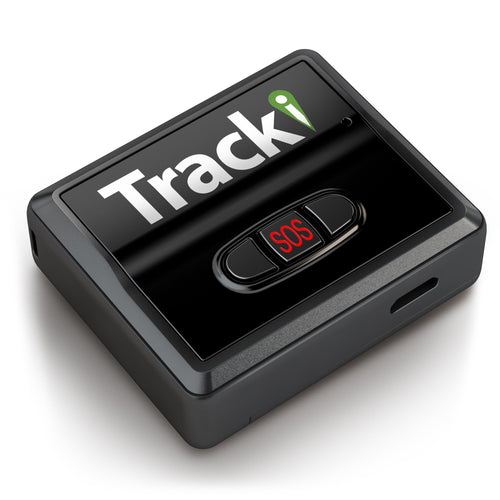
Think of GPS tracking as a coaching tool, not surveillance. Modern devices like Tracki Mini GPS send real-time alerts for speeding, harsh braking, or leaving set zones.
Key benefits:
- Get instant speed or curfew alerts.
- Create geofences for school, home, or work zones.
- Access trip reports to review driving habits together.
The best teenage driving monitoring devices help you stay informed without hovering and build safer, more confident drivers through gentle accountability.
How GPS Tracking Helps Parents Protect Teen Drivers
Technology can make parenting a teen driver a little less stressful. With modern GPS tracking for teenage drivers, you can stay informed without being intrusive. This approach helps your teen build better habits while giving you peace of mind.
Real-Time Location & Speed Alerts
If you ever wonder whether your teen made it to school on time or is following the speed limit, real-time GPS tracking gives you instant answers.
Why it matters:
- Prevent speeding before it turns into danger
- Catch curfew or route changes early
- Get alerts the moment unsafe driving happens
Tools like GPS trackers let parents monitor location and speed within seconds, no calls or texts needed.
Geo-Fence Safety Zones
A geofence is a digital safety circle you create around places like school, home, or work. When your teen enters or leaves these zones, you get an instant alert.
Example:
If your teen leaves school early or drives somewhere unexpected, you’ll know right away.
This makes vehicle tracking for teenage drivers proactive and protective, not controlling.
Emergency SOS Button
No one likes to think about emergencies, but it’s smart to prepare. Many teen car tracking devices include an SOS button that your teen can press in case of danger, car trouble, or an accident.
You’ll receive their exact location immediately so you can respond or send help.
It’s one of the most effective safety devices for teenage drivers, offering both security and confidence.
Coaching Through Driving Reports
Great GPS trackers do more than track; they teach. Weekly driving reports show speeding, harsh braking, or long idle times, so you can talk about patterns together.
Use this information for coaching, not policing. Review progress weekly and highlight improvements.
This builds trust and encourages safer driving habits.
2025 Checklist - Safe Driving Habits for Teenagers
Building good driving habits early helps your teen stay safe for life. Use this checklist as a simple way to track progress and keep both of you accountable.
| Habit |
Why It Matters |
How to Build It |
| Buckle up first |
Cuts the risk of fatal injury by 45% |
Create a “click before you shift” rule before every drive |
| Phone-free driving |
Reduces crash risk by 23× |
Turn on “Focus” or “Driving Mode” to block texts and alerts |
| Follow speed limits |
Prevents costly tickets and serious crashes |
Use in-car alerts or GPS speed notifications |
| Night curfew |
Leads to 40% fewer fatal crashes among teens |
Set a clear “home by 9 p.m.” family rule |
| GPS coaching |
Builds trust and accountability between parent and teen |
Review weekly reports together, focus on progress, not punishment |
Conclusion
Raising a teen driver can feel nerve-wracking, but the right mix of guidance, trust, and tools can make all the difference. From wearing seat belts to keeping phones off, every safe driving habit you reinforce now can prevent future heartbreak. GPS tracking isn’t about control; it’s about connection and safety.
By using a GPS tracker to get real-time alerts, geofencing, and weekly driving reports, you can help your teen stay accountable while giving them space to grow into a responsible driver. Safe habits start with you, and 2025 is the perfect year to make that commitment together.
FAQs About How To Keep Teen Drivers Safe
Q1. What is the best age to start teaching teens about driving safety?
Start as early as age 14 or 15 by modeling safe behavior and talking about risks before they get their learner’s permit. Early exposure builds awareness and better habits.
Q2. How can parents encourage teens to follow driving rules consistently?
- Create a driving agreement together
- Set clear rewards for safe behavior
- Review GPS reports weekly
- Keep communication calm and consistent
Q3. Are GPS trackers legal for monitoring teenage drivers?
Yes, parents can legally use GPS trackers on vehicles they own. These tools are designed for safety, not surveillance, and help promote responsible driving behavior.
Q4. What are the most important features in a teen driver GPS tracker?
Look for:
- Real-time speed and location alerts
- Geofencing notifications
- Trip history and driving reports
- SOS button for emergencies
Q5. How often should parents review their teen’s driving data?
Once a week is ideal. It keeps discussions productive, helps spot patterns early, and encourages improvement without overwhelming your teen with constant monitoring.