



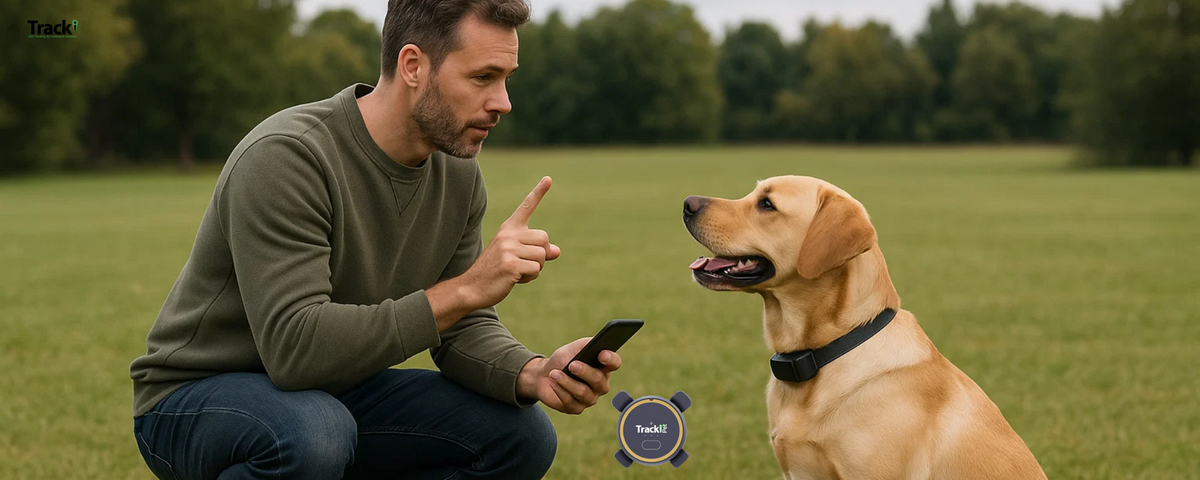


How GPS Helps in Pet Training and Behaviour Monitoring?
Is your dog ignoring commands, running off unexpectedly, or showing signs of stress when left alone? You’re not alone, and you’re not out of options. Many pet parents today struggle with obedience issues, anxiety-driven behaviours, or boundary problems that traditional collars can’t fix. That’s where GPS for pet training and behaviour monitoring comes in.
Unlike basic collars, smart GPS-enabled devices offer real-time alerts, activity tracking, and safe zone settings that support more effective, humane training. Whether your goal is better recall, leash-free confidence, or simply peace of mind, pet training with GPS gives you the tools to track, correct, and improve behaviour, right from your phone.
In this article, you’ll learn how GPS helps in pet training and behaviour monitoring, works, what it helps with, and why it’s quickly becoming a game-changer for modern pet parents.
Key Takeaways
- GPS collars combine tracking, alerts, and behaviour insights for smarter dog training.
- Geofencing allows you to set safe zones and get real-time escape alerts.
- Activity data helps identify stress patterns, hyperactivity, and behaviour triggers.
- GPS tools improve reward timing through real-time notifications.
- Smart collars reduce the need for harsh methods like electric fences or shock collars.
- Proper fit, clear commands, and alert setup are key to effective GPS-based training.
- Choosing the right tracker depends on your dog’s size, habits, and training goals.
Understanding GPS Dog Collars and Trackers

A GPS dog collar is more than just a location tag; it’s a smart training tool built with technology that keeps you connected to your pet, even when you’re not nearby. These collars typically combine GPS, GSM (cellular), and Bluetooth to provide accurate real-time location data, behaviour tracking, and alert-based training support.
It’s important to know the difference between basic pet trackers and training-friendly GPS collars. Some devices only show your pet’s location, while others include features like geofencing, activity logs, motion alerts, and behaviour insights. These enhanced trackers are better suited for behaviour monitoring and pet training because they offer more than just passive tracking; they help you respond in real time.
Most modern devices sync with a GPS app for dogs that displays a live map, movement history, and daily behaviour stats. Many also send push notifications when your pet leaves a safe zone or shows unusual activity. If your dog tends to bolt, dig, or pace when anxious, these alerts can help you step in before things escalate.
Key Ways GPS Supports Dog Training and Behaviour Correction
When it comes to obedience, timing and consistency are everything, and that’s exactly where GPS dog training tools shine. These smart collars don’t just track your dog’s location; they help you shape better habits and reduce risky behaviours with precision.
One of the most powerful features is geofencing. You can set custom “safe zones” around your yard, home, or walking route. If your dog crosses that boundary, you’ll get a real-time zone alert through your mobile app. This allows you to step in immediately, reinforcing recall training or redirecting unwanted wandering.
You can also use location data to monitor where and when your dog tends to misbehave. For example, if you notice your dog frequently leaves the yard at the same time each day, it may be tied to boredom or a neighbourhood distraction. These insights help you adjust your training plan and stay consistent.
Real-Time Behaviour Monitoring: What You Can Track

Training isn’t just about commands; it’s about understanding your dog’s daily habits, energy levels, and emotional triggers. With GPS activity tracking, you can monitor far more than just location. These devices give you a real-time look into how your dog behaves when you're not around.
Many GPS trackers measure daily activity levels, helping you spot signs of hyperactivity or restlessness. If your dog is pacing, digging, or barking excessively, the device can log these movement patterns throughout the day, even when you’re at work.
Over time, you’ll start to recognise behaviour trends. For example, does your dog become anxious during storms? Does separation trigger pacing or attempts to escape? With consistent data, you can identify these stressors and adjust your environment or training plan accordingly.
This level of pet anxiety monitoring empowers you to respond proactively, not just reactively. Whether it’s building a calmer routine or preventing destructive habits, monitoring dog behaviour with GPS helps you connect the dots between action and cause.
Reinforcing Positive Habits With GPS Tools
Training isn’t just about correcting bad behaviour, it’s also about rewarding the good. With a GPS dog trainer, you can build stronger routines and reinforce positive habits using real-time feedback.
Many GPS apps offer reminders and alert cues to help you stay on track with your dog’s training schedule. Whether it’s a daily walk, recall session, or yard time, these nudges keep both you and your pet consistent. Over time, repetition builds trust, and trust builds obedience.
When your dog stays within a geofenced area or returns promptly after a recall cue, you’ll get a push notification. This timing is key. Using that alert as your signal to offer praise or a treat strengthens the behaviour through positive reinforcement with tech.
You can also track what we call “success zones”, places where your dog consistently follows rules, such as staying in the yard or coming back on command in open areas. Logging these wins through pet habit tracking lets you measure progress and build on it, one session at a time.
When GPS Outperforms Traditional Training Methods

Traditional dog training methods, like leashes, fences, and voice commands, have their place. But they often rely on constant supervision and a lot of guesswork. With modern pet training tools like GPS, you gain situational awareness that goes far beyond what your eyes can see.
Instead of wondering whether your dog stayed in the yard or ran off after a squirrel, a GPS collar gives you real-time data. This level of GPS supervision offers freedom, without sacrificing safety. Your dog can explore within a defined area, and you’ll get an instant alert if they step outside it.
This also reduces the need for harsh tools like shock collars or expensive electric fences. With GPS, you don’t have to physically contain your pet to train them; you just need to set smart boundaries and respond to alerts. It’s a smarter, more humane alternative that adapts to your dog’s needs.
Mistakes to Avoid When Using GPS for Pet Training
While GPS tools offer a smarter way to train, they aren’t magic fixes. Like any training method, they need to be used properly. Avoiding a few common GPS dog collar mistakes can make a big difference in your results and your dog’s comfort.
One major mistake is relying solely on GPS alerts without teaching basic commands. GPS can tell you when your dog leaves a zone, but it won’t replace the need for recall training or voice cues. Use the data as a support tool, not a substitute for real interaction.
Another issue is misconfigured geofences or delayed responses. If your zone is too large or too vague, alerts may come too late to be useful. And if you don’t respond quickly, your dog may not associate your correction with the behaviour. Precision and timing matter.
Lastly, always check the fit and comfort of the collar itself. A tracker that’s too tight, too loose, or bulky can cause irritation or even injury over time. This is one of the most overlooked pet tech usage errors, but one of the easiest to fix.
Choosing the Right GPS Tracker for Behaviour Monitoring

Not all GPS collars are created equal, especially when it comes to training and behaviour monitoring. Choosing the best GPS tracker for dogs means finding one that fits your dog’s size, habits, and your own tech preferences.
Start by looking at the core GPS collar features:
- Accuracy is essential for real-time tracking and safe zone enforcement.
- A smooth, user-friendly mobile app interface makes it easier to set up alerts, review data, and respond quickly.
- Battery life matters too, especially for active dogs or multi-day travel.
Your dog’s breed and training style also play a role. Some trackers are bulky and better suited for large breeds, while others are compact for smaller dogs. High-energy dogs may need collars with motion sensors and tougher build quality, while anxious pets benefit from activity monitoring and calm zone alerts.
Lastly, always vet the brand. Look for certifications (FCC, CE), transparent data policies, trial periods, return options, and reliable warranties. A reputable brand will back its device, and your investment, with real support.
Before you buy, compare GPS collars and accessories on PetABC’s to match battery life, size, and app features to your dog.
Conclusion
GPS technology is changing the way we train and understand our pets. From reinforcing boundaries and building good habits to monitoring behaviour and keeping dogs safe, GPS collars offer more than just tracking; they empower smarter, more humane training. For pet parents looking for peace of mind and better results, GPS for pet training and behaviour monitoring is no longer optional; it’s essential.
FAQs About
Q1. Can GPS collars be used for training puppies?
Yes, many lightweight GPS trackers are safe for puppies and help reinforce early recall training and boundary awareness.
Q2. Do GPS dog trackers require a monthly subscription?
Some GPS collars require a subscription for cellular connectivity, while others offer basic tracking via Bluetooth or Wi-Fi without ongoing fees.
Q3. Are GPS trackers waterproof and durable enough for active dogs?
Most high-quality GPS collars are water-resistant or waterproof and built to handle running, swimming, and rough play.
Q4. How far can a GPS dog collar track my pet?
With cellular support, GPS collars can track pets nationwide. Bluetooth-only trackers are limited to a short range, usually under 100 feet.
Q5. Can GPS tracking help with separation anxiety in dogs?
Yes, GPS trackers allow you to monitor pacing, restlessness, and behaviour patterns when you’re away, helping identify signs of anxiety.
Q6. Is it legal to track my dog using GPS in all U.S. states?
Yes, tracking your own pet with a GPS device is legal in all U.S. states and is considered a responsible ownership practice.
Q7. Can I use one GPS tracker for multiple dogs?
Some GPS apps support multi-pet tracking, but each dog will typically need its own collar device for accurate location and behaviour data.


Most popular products
Waterproof Magnetic Box for GPS Tracker + 3500mAh battery extender

5.0

$38.88$88.88
(Save $50.00)
12-24 Volt to Micro USB Vehicle/Marine power stabilizer and Wiring kit for Tracki GPS Tracker

5.0
$28.88$49.95
(Save $21.07)