



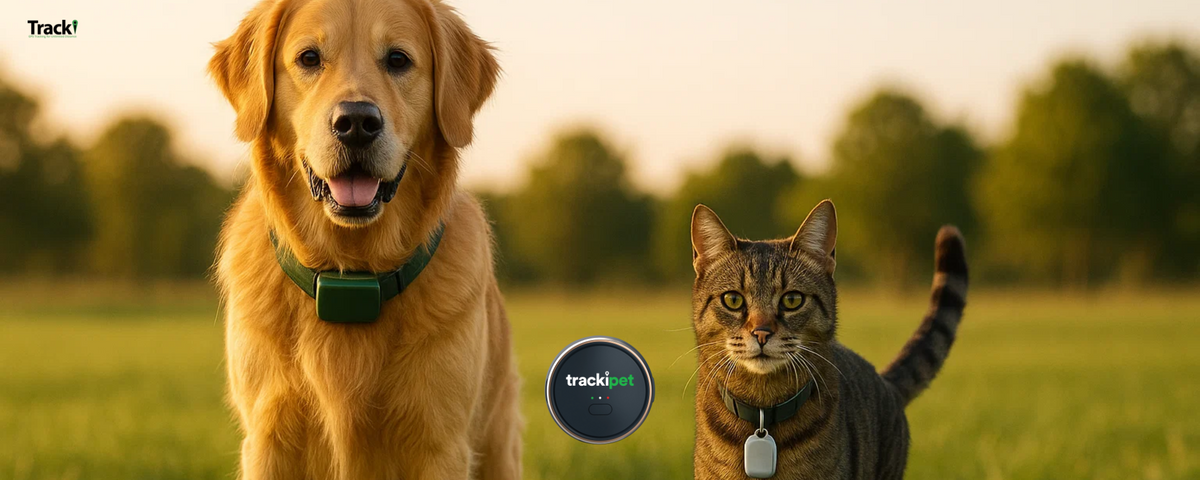


GPS Collars vs GPS Tags: Which Is Right For Your Pet?
Losing a pet is scary. Whether your dog loves to explore or your cat slips outside, not knowing where they are can cause panic. That’s why many pet parents now use GPS trackers to keep their furry friends safe.
But when it comes to GPS Collars vs GPS Tags, the options can feel confusing. Some are big, others small. Some use Bluetooth, others work in real time. So how do you pick the right one?
In this guide, you’ll learn the key differences between GPS collars and GPS tags, how to choose the best one based on your pet’s size, behaviour, and location, and the pros and cons of each option. You’ll also get expert tips to help keep your furry friend safe and easy to find.
Key Takeaways
- GPS collars offer real-time tracking, geofencing, and fitness features.
- GPS tags are lightweight, affordable, and best for short-range tracking.
- Collars work well in rural or wide-open areas with poor Bluetooth coverage.
- GPS tags rely on Bluetooth or crowd-sourced networks and perform better in cities.
- Most GPS collars require a subscription; tags usually don’t.
- Choose based on pet size, behaviour, and how far they typically roam.
- Pair GPS devices with dog training or sitters for extra safety and control.
What Are GPS Collars and GPS Tags?

GPS collars and GPS tags are smart tracking devices that help locate lost pets like dogs or cats. Both improve pet safety, but they differ in how they work and what they offer.
A GPS collar is a wearable device that wraps around your pet’s neck. It uses satellite and cellular signals to send real-time location updates to your phone. Many GPS dog collars also include features like activity tracking, geofencing, and waterproof design, making them ideal for active pets or dogs that roam. These are also called dog tracking collars or cat trackers.
A GPS tag is smaller and lighter, designed to clip onto your pet’s existing collar. It focuses on basic location tracking and often connects via Bluetooth or networks like Apple’s Find My. Tags are a good fit for cats and small dogs.
While both tools aim to track your pet, their size, features, and reliability vary, so picking the right one depends on your pet’s needs and your environment.
Key Differences Between GPS Collars vs GPS Tags
While both devices help track your pet, the differences between GPS collars vs GPS tags can impact your choice based on your pet’s size, lifestyle, and your environment. Here’s how they compare:

1. Size and Attachment
- GPS collars are worn around the neck and may replace your pet’s existing collar.
-
GPS tags are smaller and clip onto a regular collar, ideal for smaller pets.
2. Features and Functionality
- Collars often include activity tracking, geofencing, and waterproof designs.
- Tags usually offer basic location tracking with fewer extra features.
3. Network & Tracking Range
- GPS collars use satellite and cellular signals for real-time tracking over long distances.
- GPS tags typically rely on Bluetooth or crowd-sourced networks, limiting their range.
4. Battery Life
- Collars usually last from several days to weeks.
- Tags can last several days to a year, depending on usage.
5. Subscription Requirements
- Many GPS collars need a monthly subscription for real-time tracking.
- Most GPS tags don’t require a subscription.
6. Pet Suitability
- Collars are great for medium to large dogs or active pets.
- Tags are better for cats and small dogs.
GPS Collars: Features, Pros and Cons

GPS collars are powerful tracking tools designed to wrap around your pet’s neck and deliver real-time location updates. These devices use a mix of satellite and cellular signals, making them highly reliable even over long distances.
Key Features
- Real-time tracking using GPS and cellular networks
- Activity and fitness monitoring to track movement and rest
- Geofencing alerts when your pet leaves a set boundary (like a GPS dog collar fence)
- Durable and waterproof design for outdoor adventures
- Long battery life, lasting several days to weeks
Pros:
- Very accurate and reliable, especially in remote areas
- Ideal for dog training, pet sitters, and outdoor use
-
Supports pet safety with instant alerts
Cons:
- Often bulky for small pets like cats or tiny dogs
- Higher cost and usually requires a monthly subscription
Best For
- Medium to large dogs, especially those prone to roaming
- Rural or wide-open areas
- Active pets who spend time outdoors
GPS Tags: Features, Pros and Cons

GPS tags are small, lightweight trackers that attach to your pet’s existing collar. Unlike GPS collars, these devices often connect through Bluetooth or crowd-sourced networks like Apple’s Find My. They're a simple way to boost pet safety, especially in urban environments.
Key Features
- Connect using Bluetooth or crowd-sourced systems (e.g., AirTag)
- Compact and lightweight design for comfort
- Easy to clip onto collars, no need to replace existing gear
- Often, no subscription is required for tracking
Pros:
- Affordable compared to full-feature GPS collars
- Great for small pets, especially indoor cats or puppies
- Simple setup and app integration
Cons:
- Limited tracking range
- Usually not real-time
- Less reliable in rural areas with fewer connected devices
Best For
- Urban cats or small dogs that stay close to home
- Indoor/outdoor pets with low risk of running far
- Owners who want basic tracking without ongoing fees
Real-Life Use Cases: When to Choose a GPS Collar vs GPS Tag
Still unsure whether a GPS dog collar or a GPS tag is right for your pet? Here are some real-life situations to help you decide based on behaviour, lifestyle, and safety needs:
1. Your dog runs off frequently or explores large areas
→ Go with a GPS collar. It offers real-time tracking, wider coverage, and is ideal for active or adventurous dogs.
2. You have an indoor cat that occasionally slips outside
→ A GPS tag is perfect here. It’s lightweight and provides basic tracking—just enough for short-range recovery.
3. You hire a dog walker or use a pet sitter
→ A dog tracker with a collar that includes geofencing lets you set safe zones and get alerts if your pet strays too far.
When comparing GPS collar vs GPS tag, it really comes down to your pet’s habits and how far they might wander.
GPS Collar vs GPS Tag Comparison
This table gives a quick side-by-side overview of the key differences between GPS collars vs GPS tags, helping you choose the best tracking device for your pet.
Pet Size, Behaviour & Lifestyle Considerations

Choosing between a GPS collar and a GPS tag isn’t just about features; it’s about your pet’s size, habits, and how they spend their time. Here’s how to match the right device to your pet:
1. Pet Size
- A GPS collar for dogs works best for medium to large breeds.
- Smaller pets, like cats or toy breeds, may find collars bulky; go with a GPS collar for cats or a lightweight tag instead.
2. Behaviour Type
- If your pet is an escape artist, frequently runs off, or wanders far from home, a dog tracker with real-time GPS is essential.
- Calm pets that stay nearby may do fine with a GPS tag.
3. Activity Level
- Active pets benefit from collars with activity tracking and geofencing, great for pet training or health monitoring.
- Lazy or mostly indoor pets need only basic location tracking.
Choosing the right device ensures comfort, safety, and reliable tracking for your pet’s specific lifestyle.
Cost, Subscription & Battery Life
Choosing between a GPS collar and a GPS tag isn’t just about tracking features; it also depends on how much you’re willing to spend, how often you want to charge, and whether you’re okay with paying a monthly fee. Here’s what to consider:
1. Device Cost
A GPS dog collar usually costs more upfront because it’s packed with tech.
Expect to pay:
- $20–$200+ for premium brands like TrackiPet, Fi or Halo
- Often includes extras like activity tracking or a virtual GPS dog collar fence
A GPS tag is more budget-friendly.
Expect to pay:
- $25–$80 depending on brand and features
- Some are one-time purchases with no extra hardware needed
2. Monthly or Annual Subscription
Many GPS collars and tags need a subscription for live tracking and alerts:
- Tractive, Fi, and others charge $5–$15/month
- Some offer yearly plans with discounts
- Budget tags may have no fees but fewer tracking features
Before you buy, check:
- Does it need a cellular plan?
- Can you cancel anytime?
3. Battery Life & Charging
GPS collars with more features often have shorter battery life:
- 2–4 days with real-time tracking on
- You may need to charge it 1–2 times a week
- Some come with magnetic or snap-on chargers
GPS tags usually last longer because they’re simpler:
- 5 days to several weeks per charge, depending on usage
- Great for low-maintenance pet parents
Also consider:
- How easy is it to remove and recharge?
- Is there a backup tracker if it runs out?
Quick Comparison Table
|
Feature |
GPS Collars |
GPS Tags |
|
Size & Fit |
Larger, wraps around the neck as a full collar |
Smaller, clips onto an existing collar |
|
Tracking Technology |
Satellite + cellular for real-time location updates |
Bluetooth or crowd-sourced networks (e.g., Apple’s Find My) |
|
Tracking Range |
Long-range, reliable in both urban and rural areas |
Limited range; best in urban areas with dense device networks |
|
Features |
Activity tracking, geofencing, waterproof, fitness monitoring |
Basic location tracking only |
|
Battery Life |
Lasts several days to weeks |
Varies: from a few days to up to a year |
|
Subscription |
Often required for real-time tracking and premium features |
Usually, no subscription is needed |
|
Cost |
Higher upfront and ongoing costs |
Lower cost; more budget-friendly |
|
Best For |
Medium to large dogs, active pets, rural or outdoor use |
Cats, small dogs, indoor/outdoor pets in populated areas |
Top Brands to Consider (With Examples)
When choosing between GPS dog collars vs GPS Tags, it helps to know which brands are trusted by pet parents. Below are some of the top-rated options for both collars and tags.
For pet caring tools and essentials, from GPS trackers to feeders and grooming, start at PetABC’s.
GPS Collars

These are great for dogs that roam, need real-time tracking, or benefit from advanced features like geofencing.
1. Trackipet
Trackipet is the best lightweight GPS collar that offers real-time tracking, waterproof protection, and global coverage. It's great for adventurous dogs and supports both location history and activity tracking through an easy-to-use mobile app.
2. Tractive
Tractive is one of the most popular GPS collars for pets, offering live tracking, geofencing, and health monitoring. With international coverage and an intuitive app, it's ideal for active dogs and peace of mind on the go.
3. PetLink GPS
PetLink GPS offers a lightweight, waterproof dog tracker collar that uses GPS and cellular networks for real-time tracking. It pairs with the PetLink app for 24/7 monitoring, escape alerts, and integrates seamlessly with PetLink’s microchip recovery system.
4. Fi Smart Collar
The Fi Smart Collar offers excellent battery life, fitness tracking, and escape alerts. With durable design and GPS/cellular technology, it’s ideal for dog owners who want long-term tracking and integration with pet activity insights.
GPS Tags
These small, tag-style trackers are best for cats or small dogs who stay close to home.
1. Apple AirTag

Apple AirTag is a compact Bluetooth pet tag that attaches to your pet’s collar and connects via Apple’s Find My network. Best for urban areas with lots of iPhones, but not ideal for rural pet tracking.
2. Tile Mate
Tile Mate is an affordable Bluetooth tag that helps you locate pets nearby using your phone. It’s not a full GPS solution, but it works well for indoor pets or those that don’t stray far.
3. Pawscout
Pawscout is a pet-specific cat tracker that uses Bluetooth and community-based tracking. It offers features like a virtual leash, digital pet profile, and alerts if your pet leaves a defined area.
4. Cube GPS Tag
Cube GPS Tag provides real-time location updates through a mobile app. It's small, lightweight, and offers basic tracking with geofencing, making it a good entry-level option for pet owners on a budget.
Expert Tips on Pet Safety & Training with GPS Devices

Using a GPS collar isn’t just about tracking; it can also support better behaviour and safety through smart training techniques. Here are a few expert-backed tips from veterinarians and dog trainers:
Use Geofencing for Boundary Training
Many GPS collars come with a GPS dog fence feature that lets you set safe zones in your yard or neighbourhood. Trainers recommend pairing this with voice commands or treats to teach your dog where they can and can’t go.
Include GPS in Pet Training Routines
During dog training, let your pet wear the GPS device so they get used to it. Use location history to spot patterns, like where your dog wanders most or how active they are throughout the day.
Track Your Pet During Walks or with Sitters
Share GPS access with your dog walker or pet sitter. It gives you peace of mind while they’re out and helps ensure your pet sticks to their usual routine.
When combined with proper pet training, GPS devices offer more than safety; they build trust and confidence for both you and your furry friend.
Conclusion
Choosing between GPS collars vs GPS tags comes down to your pet’s size, behaviour, and where you live. GPS collars are best for dogs that roam or need real-time tracking in rural areas, while GPS tags are perfect for cats or small pets in urban settings. Both improve pet safety, but offer different levels of coverage, cost, and features. The right pick ensures peace of mind and a safer journey for your furry friend.
FAQs About GPS Collars vs GPS Tags: Which is Right for Your Pet?
Q. Are GPS tags safe for dogs and cats?
Yes, GPS tags are safe for most pets when properly attached to a collar. Always choose a lightweight model that doesn’t cause discomfort or restrict movement.
Q. Do I need a subscription for a GPS dog collar?
Most GPS dog collars require a monthly or yearly subscription to access real-time tracking, location history, and advanced features like geofencing.
Q. Can I use an AirTag for my dog or cat?
You can use an AirTag for short-range tracking, especially in urban areas, but it’s not a substitute for a GPS collar if your pet roams far or lives in a rural area.
Q. Which is better for tracking in rural areas: tag or collar?
A GPS collar is better for rural areas because it uses satellite and cellular signals, while tags often rely on Bluetooth, which has limited range and coverage.
Q. How long do GPS collars last on a single charge?
Battery life varies by model but typically ranges from a few days to several weeks. Collars with more features may require more frequent charging.
Q. Can I use a GPS collar and an AirTag together on my pet?
Yes, many pet owners combine both for backup tracking, especially when moving between rural and urban areas.
Q. Are GPS collars safe for puppies?
Yes, but make sure to choose a lightweight model designed for smaller pets or growing dogs.
Q. Can a GPS collar help with pet theft recovery?
Yes, real-time tracking and geofencing alerts can help locate pets quickly if they’re stolen.


Most popular products
Waterproof Magnetic Box for GPS Tracker + 3500mAh battery extender

5.0

$38.88$88.88
(Save $50.00)
12-24 Volt to Micro USB Vehicle/Marine power stabilizer and Wiring kit for Tracki GPS Tracker

5.0
$28.88$49.95
(Save $21.07)