





How to Teach and Monitor Your Teen Driver (2025)
Your teen’s first time behind the wheel can be both exciting and terrifying. You want them to feel independent, but you also want to make sure they come home safe every time they drive. That balance between freedom and safety is where real coaching begins.
Teaching your teen to drive is not just about showing them how to use the pedals or mirrors. It is about building habits, confidence, and trust from the start. The more structure and patience you bring, the calmer both of you will feel.
In this guide, you will learn how to teach your teen driver step by step, from quiet parking lots to highways. You will also see how simple tools like GPS tracking can help you monitor progress, give feedback, and promote safe driving without breaking trust.
Key Takeaways
- Set clear driving rules before practice begins.
- Teach in stages, from parking lots to highways.
- Evaluate readiness before allowing solo drives.
- Ease curfews and passenger limits based on progress.
- Choose safe vehicles and keep emergency kits stocked.
- Use Tracki GPS for safety, not control.
- Prioritize open communication and mutual trust.
7 Rules Every Parent Should Set Before Teen Starts Driving
Before your teen starts driving, set clear ground rules together to keep your teen driver safe. This short checklist builds trust, discipline, and safety from day one while keeping tech like a GPS tracker as a supportive tool, not a punishment.

1. No Phones While Driving: Phones stay out of reach. Even a few seconds of distraction can cause serious accidents. Help your teen build the habit of focusing fully on the road.
2. Seat Belts Always: Everyone buckles up before the car moves. Make it routine, no seat belt, no driving. Consistency here can save lives.
3. Speed Within Limits: Set clear speed expectations. Encourage your teen to drive at or below posted limits and review alerts to catch speeding early.
4. Limit Passengers: Too many friends can distract new drivers. Start with solo drives or one trusted passenger until your teen proves responsible focus.
5. No Night Driving (At First): Driving after dark takes extra skill and awareness. Hold off until your teen has logged enough safe daytime miles.
6. Respect All Traffic Signs: Remind them to make full stops, use signals, and stay alert at intersections. Respecting road rules builds lifelong habits.
7. Check In After Every Drive: A simple text or call when they arrive safely helps you stay calm and keeps your teen accountable. It’s an easy trust-building routine.
How To Teach Teen Driving Step-by-Step

Teaching your teen to drive safely takes patience, structure, and small, steady steps. Start in simple spaces, then gradually add more challenges as confidence grows. Each phase below focuses on a clear skill set that helps new drivers stay calm and aware behind the wheel.
Phase 1 - Start in a Safe Zone (Parking Lots & Empty Roads)
This is the foundation stage. Choose an empty parking lot or quiet back road where there’s no pressure from traffic. Focus on helping your teen get comfortable behind the wheel, practice smooth starts, gentle braking, and steady steering.
Show them how to adjust mirrors, use turn signals, and make wide turns safely. Practice reversing in straight lines and parking between lines without rushing. Keep your feedback positive and calm to help your teen focus.
Tip: Use short sessions of about 20 to 30 minutes. The goal is comfort and control, not long hours of practice.
Phase 2 - Progress to Light Traffic & Neighborhood Routes
Once your teen feels confident with the basics, move to light traffic areas. Residential neighborhoods are ideal for practicing stop signs, right-of-way rules, and lane positioning.
Encourage frequent mirror checks and scanning for pedestrians, parked cars, and intersections. Repeat the same routes a few times so your teen learns consistency and stays relaxed.
If your teen makes a mistake, pull over safely and talk through what happened. Stay calm and turn every error into a learning opportunity.
Phase 3 - City & Highway Coaching
When your teen handles local streets well, begin city and highway lessons. Choose times with lighter traffic at first. Practice lane changes, merging, and timing at traffic lights.
Remind them to keep safe distances and check blind spots before changing lanes. Discuss real-world scenarios like tailgaters or sudden stops and explain how to respond defensively by slowing down, signaling early, and staying alert.
You can use Tracki’s driving reports or speed alerts to review trips afterward. Discuss the data together as feedback, not punishment, to build awareness.

Phase 4 - Night & Bad Weather Training
Once your teen is steady in daylight, it is time to learn in tougher conditions. Start with short night drives in low-traffic areas. Teach proper use of headlights, managing glare, and slower driving when visibility drops.
When ready, practice in light rain or fog on familiar roads. Explain how wet roads change tire grip and increase stopping distance. Remind them to avoid cruise control on slippery surfaces.
If the car begins to slide, teach them to stay calm, ease off the gas, and steer gently in the direction they want to go. These skills build confidence in challenging conditions.
Readiness Checklist - Is Your Teen Ready to Drive Alone?
Before your teen takes the keys and drives solo, take a moment to evaluate how prepared they truly are. Confidence behind the wheel matters, but so does consistency, judgment, and emotional control. This checklist helps you see where your teen stands and what still needs practice before independent driving begins.
Encourage honesty from both sides. Go through each skill together, rate their confidence, and use this as a guide to plan the next few practice sessions.
|
Driving Skill |
Confidence Level |
Parent Notes |
Ready (Y/N) |
|
Smooth starts and stops |
Low / Medium / High |
... | ... |
|
Steering and lane control |
Low / Medium / High |
... | ... |
|
Checking mirrors and blind spots |
Low / Medium / High |
... | ... |
|
Following traffic signs and signals |
Low / Medium / High |
... | ... |
|
Managing speed limits |
Low / Medium / High |
... | ... |
|
Handling light traffic |
Low / Medium / High |
... | ... |
|
Night driving comfort |
Low / Medium / High |
... | ... |
|
Driving in rain or fog |
Low / Medium / High |
... | ... |
|
Parking accuracy |
Low / Medium / High |
... | ... |
|
Staying calm under pressure |
Low / Medium / High |
... | ... |
Once you finish, look for areas that need more practice before giving full driving independence.
For extra peace of mind, use a GPS tracker to review trip summaries, speed alerts, and route history. This gives you insight into your teen’s real-world habits and helps you coach improvements constructively without constant supervision.
Night Driving & Passenger Limits - When to Ease the Rules

When your teen starts driving, curfews and passenger limits are essential. They keep distractions low and give your teen time to build experience before handling riskier conditions. But as confidence and responsibility grow, these rules can ease up gradually.
Start with a simple rule: No driving after 9 PM for the first few months. Nighttime crashes are more common among new drivers because visibility drops and judgment takes time to develop. Once your teen shows consistent safe driving habits, extend the curfew by one hour at a time.
The same goes for passengers. Limit rides to one trusted friend at first. Extra passengers can easily distract a new driver, especially during conversations or music changes. When your teen maintains a clean driving record for several months with no speeding, no phone alerts, and no risky routes, you can relax this rule slowly.
Use a GPS tracker to monitor driving times, routes, and passenger-related patterns like late-night trips or frequent stops. This helps you guide your teen with facts instead of assumptions.
Think of these limits as training wheels. Once your teen proves consistent caution and maturity, you can ease restrictions while still staying connected through supportive monitoring.
Prepare the Right Vehicle & Safety Kit for Teen Drivers
Giving your teen the safest start begins with choosing the right car and preparing a complete safety kit. A reliable, well-equipped vehicle reduces risks, while a stocked kit ensures they are ready for any roadside situation.

Choose a Safe Car
Safety should always come before looks or power. When possible, choose a car listed among the IIHS Top Safety Picks. These vehicles are crash-tested and rated for superior protection.
Look for features like Electronic Stability Control (ESC), which helps prevent skids, and Automatic Emergency Braking (AEB), which reacts faster than human reflexes. Blind-spot monitoring and lane departure alerts also make a big difference for new drivers who are still building awareness.
Avoid overly small cars or vehicles with high horsepower. Mid-size sedans and small SUVs often strike the best balance between visibility, stability, and safety.
Build a Car Safety Kit
Every new driver should have a basic emergency kit in their car. It helps them stay calm and prepared if something goes wrong on the road. Here is a simple checklist:
- Flashlight with extra batteries
- Reflective warning triangles
- Jumper cables
- First-aid kit
- Warm blanket
- Phone charger and power bank
- Bottled water
-
Non-perishable snacks
Encourage your teen to check the kit every few months and replace any missing items. You can also use a Tracki GPS tracker in the car for real-time location updates and SOS alerts in case of emergencies.
A little preparation goes a long way. The right car and a well-packed kit give both you and your teen peace of mind every time they drive.
Monitor Teen Driving with GPS Tracking Tools (Without Breaking Trust)
Monitoring your teen’s driving does not mean spying. It is about staying informed, offering guidance, and giving your teen the freedom to grow while knowing you can step in when needed. When used correctly, GPS tracking builds trust rather than breaking it. The goal is awareness, not control.

A tool like GPS trackers for families helps parents and teens work as a team. You can check driving patterns, review safety habits, and encourage responsibility through real data instead of guesswork. Here’s how these features support safety and open communication.
Real-Time Tracking & Speed Alerts
Real-time tracking lets you see your teen’s location, speed, and routes directly from your phone. If they exceed a set speed limit, you get instant alerts, allowing you to discuss the behavior calmly later.
This information helps you spot risky habits early and reinforce good ones. Teens often drive more carefully when they know someone cares enough to check in. It is not about watching constantly, but about creating accountability that encourages safer driving choices.
Geo-Fencing & Safe Zones
Geo-fencing lets you set up virtual boundaries such as school routes, neighborhoods, or curfew zones. Whenever your teen’s car enters or leaves these areas, you receive a quick notification.
This feature gives peace of mind without constant texting or calling to ask, “Did you make it home?” You can confirm safety in seconds while still giving your teen independence. Over time, this system builds mutual trust and reduces anxiety for both sides.
Emergency SOS & Crash Alerts
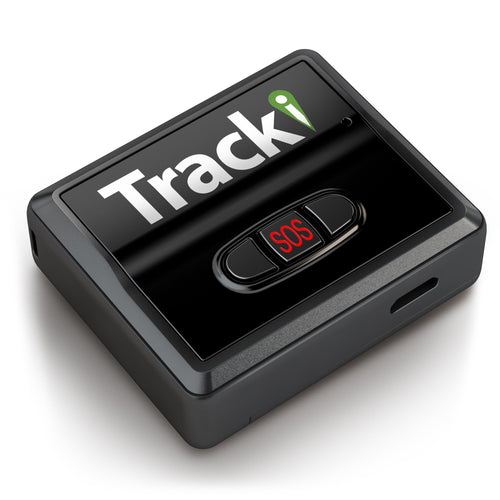
Emergencies happen without warning, which is why features like SOS buttons and crash detection are essential. If your teen presses the SOS button or if a severe impact is detected, Tracki automatically sends an alert with the location details.
This can make a huge difference during accidents or breakdowns, allowing parents or emergency services to respond quickly. Knowing that help can be reached instantly gives both you and your teen added confidence on every trip.
Driving Reports & Coaching Feedback
Weekly driving summaries are one of the best ways to turn data into progress. Review trip reports with your teen to talk about speed, distance, and any alerts that appeared. Focus on patterns, not punishment.
Use the data as a coaching tool: praise consistent improvement and discuss areas that need attention. This approach helps your teen learn from experience while maintaining trust.
When GPS tracking is framed as a safety partnership rather than surveillance, it strengthens your relationship and helps your teen become a more confident, responsible driver.
Privacy & Trust - How to Use Tracking Respectfully

The key to using GPS tracking successfully is open communication. Your teen should never feel like they are being watched in secret. Instead, they should understand that tracking is a safety tool designed to protect, not control.
Start with an honest conversation. Explain that using a GPS tracker helps you make sure they are safe on the road, especially when driving alone or in new areas. Let them know that you trust them, and that the device is there for support in emergencies or risky situations, not to invade their privacy.
Be clear about what you will and will not check. For example, you can tell your teen that you will look at trip summaries and alerts to track habits like speeding or hard braking, but not follow every move in real time. Setting these boundaries up front shows respect and builds mutual trust.
Encourage your teen to share feedback, too. If they ever feel uncomfortable about how tracking is used, talk about it. The goal is teamwork - both of you working toward safe, confident driving with honest communication.
When handled transparently, tracking becomes a bridge of trust between parent and teen. It creates accountability, supports safety, and shows that responsibility and freedom can go hand in hand.
Parent–Teen Driving Contract

A written agreement helps turn good intentions into real accountability. A Parent–Teen Driving Contract sets clear expectations before your teen drives alone and ensures you both understand the rules that keep everyone safe.
This contract covers the basics:
- Always wear seat belts, no exceptions.
- No texting, calling, or using the phone while driving.
- Respect all speed limits and traffic laws.
- No passengers for the first few months unless approved.
- Follow agreed curfew times and notify parents if plans change.
- Allow GPS tracking with Tracki for safety and emergency response only.
Once you both review and agree to these points, sign and date the document. This makes driving feel like a privilege earned through trust, not a rule to fight over.
📄 Download the Parent–Teen Driving Contract (PDF)
Print it, review it together, and post a signed copy somewhere visible, like the fridge or inside the car folder. It serves as a daily reminder that safety, honesty, and accountability go hand in hand every time your teen gets behind the wheel.
Conclusion
Helping your teen become a safe, confident driver takes time, structure, and trust. Every step, from setting clear rules to practicing together and using tools like Tracki, teaches responsibility and builds awareness.
Stay calm, communicate openly, and turn mistakes into learning moments. When your teen feels supported instead of monitored, they grow into the kind of driver you can rely on, focused, patient, and ready for the road ahead.
FAQs About "How to Teach and Monitor Your Teen Driver"
Q1. How long should parents supervise teen driving before going solo?
Most experts recommend at least 50 hours of supervised driving, including night and weather conditions, before your teen drives alone. Focus on consistent practice, not just hours logged.
Q2. What is the safest type of car for a first-time teen driver?
Look for IIHS Safety with ESC, AEB, and blind-spot monitoring. Mid-size sedans and compact SUVs are ideal because they balance visibility, size, and control.
Q3. How can GPS tracking improve my teen’s driving habits?
- Tracks speed, routes, and trip history.
- Sends alerts for unsafe behavior.
- Helps parents coach calmly with real data.
When used correctly, it builds accountability and safer driving routines.
Q4. How do I talk to my teen about using a GPS tracker?
Be open and honest. Explain that tracking is for safety and emergency support, not to invade privacy. Set clear boundaries on what you’ll monitor and respect their trust.
Q5. What should I do if my teen breaks driving rules?
Stay calm and use the incident as a teaching opportunity. Review what happened, discuss safer alternatives, and reinforce the importance of consistent habits over punishment.


Most popular products
Waterproof Magnetic Box for GPS Tracker + 3500mAh battery extender

5.0

$38.88$88.88
(Save $50.00)
12-24 Volt to Micro USB Vehicle/Marine power stabilizer and Wiring kit for Tracki GPS Tracker

5.0
$28.88$49.95
(Save $21.07)