Losing warehouse tools or equipment can stop work fast and cost real money. Between misplaced drills, unreturned gear, or stolen forklifts, these losses quietly eat into profit and productivity. That’s where a GPS tracker for warehouse tools changes everything.
With a small tracking device, you can see where every tool is in real time. A warehouse GPS tracking system helps you spot missing assets, cut down search time, and prevent theft before it happens. It also gives managers instant visibility, keeps teams accountable, and improves daily operations.
In this guide, you’ll learn how warehouse GPS tracking works, the best GPS trackers for warehouse tools in 2025, how to set them up, and how they can save both time and money.
Key Takeaways
- GPS trackers provide real-time visibility for warehouse tools and equipment.
- Combining indoor (BLE/RTLS) and outdoor (GPS/LTE) tracking ensures full coverage.
- Tracki Mini is best for small tools; Tracki Pro suits heavy assets.
- Proper setup, geofencing, and integration improve accuracy and efficiency.
- GPS tracking saves time, reduces loss, and boosts overall ROI.
How GPS Trackers Improve Warehouse Tool Management
A GPS tracker for warehouse tools brings precision and accountability to warehouse operations. Every tool, from handheld drills to forklifts, can be tagged with a small device that updates its location in real time. These updates appear on a central dashboard or app, helping managers instantly locate items, reduce downtime, and eliminate confusion during shift changes.
Real-time GPS tracking for warehouse tools also keeps employees responsible for the equipment they use. If a tool is moved outside an approved zone, managers receive an instant alert. This prevents theft, reduces loss, and simplifies audits. You’ll always know which tools are in use, which are idle, and where they’ve been.
For indoor areas where GPS signals can struggle, indoor GPS tracking solutions such as Bluetooth Low Energy (BLE) and Real-Time Location Systems (RTLS) step in. These technologies use sensors or beacons to track tool movement accurately within aisles or work zones. Outdoor areas rely on LTE or satellite GPS trackers to monitor heavy machinery, containers, or vehicles.
By combining indoor and outdoor tracking, warehouses gain complete visibility of their assets. The result is faster tool retrieval, fewer losses, and improved workflow efficiency across every department.
Best GPS Tracker for Warehouse Tools in 2025 List
Choosing the right tracker depends on what you need to monitor: hand tools, forklifts, or heavy machinery. Below are the top GPS trackers tested for warehouse use in 2025. Each one offers unique benefits, from compact size to full indoor coverage, helping you keep every tool accounted for.
1. Tracki Mini – Best Overall for Warehouse Tool Tracking
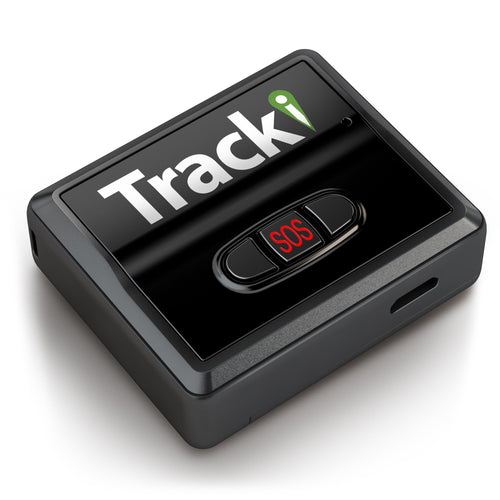
 If you want a small and powerful device that works, the Tracki Mini is your best choice. This compact GPS tracker fits easily inside a toolbox or attaches to small or heavy equipment. It uses 4G LTE with Wi-Fi fallback, ensuring you get accurate, real-time updates anywhere your tools go.
What makes Tracki Mini even better is its built-in Bluetooth technology, which helps maintain tracking accuracy indoors where GPS signals are weak or unavailable. This means you can still monitor tools in storage rooms, basements, or metal-clad areas without losing visibility.
What makes Tracki Mini stand out is its mix of affordability, size, and reliability. You can track movement through the mobile app, get instant alerts if something leaves a set area, and even check route history. For warehouses that need simple, plug-and-play tracking, this GPS tracker for warehouse tools is the top all-rounder.
2. Tracki Pro – Best for Heavy Equipment & Asset Tracking
 When it comes to forklifts, generators, or expensive outdoor gear, the Tracki Pro delivers industrial-level performance. It’s rugged, waterproof, and magnetic, built to survive tough environments like construction sites or outdoor yards. This GPS tracker for warehouse equipment supports real-time 4G LTE tracking, so you’ll always know where your assets are, no matter the weather.
Its strong battery life and motion alerts make it ideal for heavy equipment tracking. You can monitor multiple machines from one dashboard, giving you total control over your fleet. Tracki Pro is perfect for operations that can’t risk losing high-value assets.
3. Spytec Mini GPS Tracker – Compact Option for High-Value Tools
If you manage smaller, high-value tools, the Spytec Mini GPS Tracker is a smart pick. It’s discreet, lightweight, and easy to hide inside toolboxes or storage bins. The device updates location data every few seconds and supports geofencing, so you’ll get a notification if anything leaves the work zone.
Its cloud-based tracking platform makes it easy to check activity history and generate reports for audits. This warehouse tools GPS tracker combines simplicity with precision, making it ideal for small teams or contractors who need fast updates and peace of mind.
4. Spark Nano 7 – Best for Real-Time Alerts
The Spark Nano 7 is known for its instant alerts and easy setup. It connects through 4G LTE, giving you quick, accurate location updates. Compact and rechargeable, it’s perfect for tracking portable tools, delivery vans, or even welding equipment that’s moved around daily.
This device stands out because of its strong alert system. You can receive text or email notifications the moment something leaves your designated zone. For warehouses that value speed, security, and low cost, the Spark Nano 7 is one of the best warehouse GPS tracking devices on the market.
5. RTLS Tracking System – For Full Indoor Warehouse Coverage
For large facilities that need total visibility, RTLS tracking is the gold standard. Using Ultra-Wideband (UWB) or Bluetooth Low Energy (BLE) beacons, it tracks every tagged tool or pallet with near-perfect accuracy, no GPS signal needed.
These systems integrate seamlessly with IoT dashboards and Warehouse Management Software (WMS), providing live analytics on tool movement, usage patterns, and workflow. If you operate a busy warehouse or manufacturing unit, an indoor warehouse GPS tracking system like RTLS can completely transform how you manage assets.
Key Features to Look for in a Warehouse GPS Tracker
Before choosing a GPS tracker for warehouse tools, it’s important to know which features truly matter. A good tracker should make your daily operations smoother, safer, and more efficient. Here’s a quick checklist of what to look for:
-
Long Battery Life: Choose devices that last several days or weeks between charges, especially for tools that aren’t used daily.
-
Real-Time Updates: The best trackers provide instant location data so you always know where your tools are at any moment.
-
Indoor/Outdoor Tracking Support: Look for models that combine GPS with Bluetooth or Wi-Fi for accurate warehouse GPS tracking both inside and outside the facility.
-
Durability: Trackers should be shockproof and weather-resistant, capable of handling dust, vibration, and rough environments.
-
Integration with WMS: A tracker that connects with your warehouse GPS tracking system or inventory management software helps streamline reporting and audits.
-
Subscription Cost: Compare data plans and tracking fees. Many offer affordable monthly rates with app access included.
-
Return on Investment (ROI): A reliable GPS tracker quickly pays for itself by preventing theft, reducing tool loss, and saving employee time.
How to Set Up GPS Tracking for Warehouse Tools
Setting up GPS tracking for warehouse tools is simple when you follow the right steps. Whether you’re tracking small hand tools or large assets, a good setup ensures accurate data and reliable performance. Here’s how to get started:
-
Choose the Right Tracker Type: Pick a tracker that fits your tool’s size and use. Mini trackers like the Tracki Mini work best for handheld tools, while heavy-duty models like Tracki Pro suit forklifts or generators.
-
Mount the Tracker Securely: Attach the device using the provided magnet, clip, or adhesive. For small tools, place them inside the case or toolbox. For larger equipment, mount it where it won’t be exposed to heavy impact.
-
Pair with the Tracking Platform or App: Download the mobile app or use the web dashboard that comes with your tracker. This is where your warehouse tool's GPS tracking data will appear in real time.
-
Set Geofences and Alerts: Create virtual zones around your warehouse or worksite. If a tool leaves or enters an area, you’ll get an instant notification. This step is key to preventing loss or theft.
-
Monitor Movement and Performance: Check location updates, tool usage, and history logs from your app. Over time, you’ll see patterns that help improve workflow and security.
Example:
With the Tracki Mini, setup takes less than five minutes. You simply charge it, attach it to the tool, open the Tracki app, and connect the device. From there, you can view live locations, movement history, and receive alerts directly on your phone.
Real-World Use Cases & ROI Insights
The benefits of warehouse GPS tracking go far beyond just knowing where your tools are. Businesses across industries are using this technology to save money, improve efficiency, and protect valuable assets.
Manufacturing
Factories use warehouse tracking devices to monitor tools and machines across production floors. Real-time visibility helps teams locate shared tools faster and prevent workflow delays. Over time, manufacturers see measurable savings from reduced downtime and fewer misplaced items.
Construction
Job sites often span large areas, and equipment theft is a constant risk. By using a GPS tracker for warehouse equipment such as Tracki Pro, site managers can track everything from power tools to generators. Alerts are sent the moment something leaves a designated zone, helping prevent loss and ensuring quick recovery if theft occurs.
Logistics & Distribution
In logistics, GPS tracking makes it easy to track pallets, forklifts, and delivery assets across multiple locations. Managers can spot underused equipment, reduce unnecessary purchases, and optimize routes, all adding up to better resource management.
ROI Snapshot
The return on investment is clear. Companies using GPS tracking report lower equipment loss, faster audits, and fewer manual tracking errors. Time saved from searching for tools translates directly into productivity gains, while theft prevention alone often covers the cost of the system within months.
Conclusion
Warehouse tools are the heartbeat of daily operations, and keeping them safe shouldn’t be a guessing game. A reliable GPS tracking system gives you complete control, reducing losses, saving time, and improving accountability across your entire facility. From compact trackers like the Tracki Mini to powerful systems like RTLS, there’s a solution for every warehouse setup.
The right tracker doesn’t just prevent theft; it builds efficiency into your workflow, helping your team work smarter and faster. Investing in GPS tracking today means better security, higher productivity, and a stronger return on every tool tomorrow.
FAQs
Q. How accurate are GPS trackers inside a warehouse?
Accuracy depends on the tracking technology used. Traditional GPS offers around 10–15 feet accuracy outdoors but can weaken indoors. Systems using Bluetooth Low Energy (BLE) or Real-Time Location Systems (RTLS) can locate assets within just a few feet, even inside large facilities or metal structures.
Q. Do GPS trackers for tools need Wi-Fi to work?
Not necessarily. Most trackers use cellular networks (4G/LTE) or satellite connectivity to transmit location data. Wi-Fi and Bluetooth features are added for better indoor precision and faster updates, especially in areas where GPS signals are weak or unavailable.
Q. How often do GPS trackers update location data?
Update frequency depends on the device settings and data plan. Many warehouse trackers provide real-time updates every 15 to 60 seconds, while some allow custom intervals to extend battery life. High-frequency updates are ideal for active tools or equipment constantly on the move.
Q. What maintenance do GPS trackers require?
Maintenance is minimal but important for consistent performance:
- Keep batteries charged or replace them when needed.
- Clean the device and its mounting area to avoid interference.
- Regularly update the firmware or tracking app for better accuracy and stability.
- Inspect signal strength and connections periodically to ensure continuous coverage.
Q. Can warehouse GPS trackers integrate with other systems?
Yes. Modern trackers can sync with Warehouse Management Systems (WMS), IoT dashboards, and asset management software. Integration helps centralize location data, improve real-time visibility, automate reporting, and enhance decision-making across departments, reducing manual tracking errors.






 Even the best GPS tracker for warehouse tools won’t perform well if it’s used incorrectly. Avoid these common mistakes to get the most out of your tracking system: