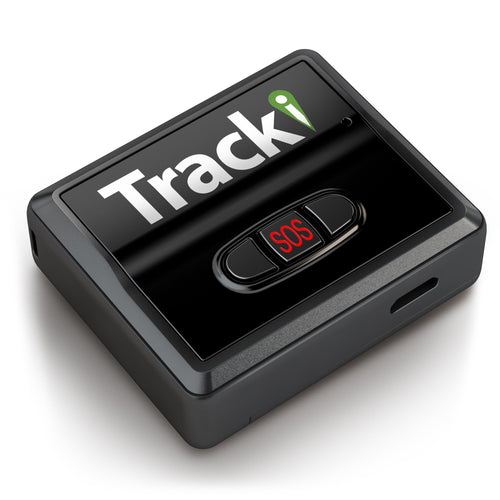




When GPS Tracking Apps Make More Sense
 While GPS trackers are built for precision and endurance, GPS tracking apps are the better fit for convenience, quick setup, and everyday use.
For many people, they offer just the right balance between functionality and ease of access, especially when you don’t need 24/7 professional tracking.
Convenience and Cost
GPS tracking apps are ideal for short-term or casual tracking because they require no extra hardware or installation. Most are free or low-cost, using the GPS already built into your smartphone.
They’re perfect for keeping tabs on loved ones, finding your parked car, or checking travel routes without investing in GPS equipment.
Best for Families and Friends
Apps like Google Maps, Find My, and Life360 make location sharing simple for families and friends. With just a few taps, you can see where someone is, send ETA updates, or ensure loved ones arrive safely.
These apps run smoothly on existing devices, eliminating the need for extra gadgets or subscriptions.
Integration with Other Features
Since GPS apps are part of your smartphone ecosystem, they work effortlessly with other built-in tools. You can share your live location via text, navigate using Google Maps, or get directions through voice commands.
This integration makes tracking feel natural and seamless within your daily phone use.
Limitations to Keep in Mind
The biggest drawback of GPS apps is their dependence on your phone’s performance. If your battery runs out, data plan expires, or location settings are turned off, tracking stops instantly.
Apps also rely on Wi-Fi or cellular signals, which can cause inaccurate results in weak coverage areas. For long-term or professional tracking, this makes them less dependable than GPS devices.
Real-World Scenarios: GPS Apps vs GPS Devices
To understand when each tracking option works best, here’s a simple comparison of real-life situations where GPS apps or GPS devices make more sense. This helps you choose the right tool for your specific tracking needs.
| Use Case | Recommended Option | Why It Fits Best |
|---|---|---|
| Teen Driver Monitoring | GPS Device | Offers accurate, real-time tracking and can’t be disabled like a phone app. Helps parents monitor driving behavior and routes safely. |
| Family Location Sharing | GPS App | Convenient for quick, casual sharing using built-in phone apps like Find My or Google Maps. No extra setup or cost required. |
| Fleet & Logistics Tracking | GPS Tracking Device | Ensures 24/7 reliability, accurate route data, and performance analytics, essential for managing vehicles or assets. |
| Personal Safety Tracking | Both | Use an app for daily check-ins and a GPS device for emergencies or when traveling to low-signal areas. Combines convenience and reliability. |
| Travel Navigation | GPS Tracking App | Perfect for navigation, route planning, and traffic updates on the go. Easy to use on any smartphone. |
| Asset or Equipment Tracking | GPS Device | Designed for long-term use, strong signal, and durability, ideal for trailers, tools, or heavy machinery. |
| Short-Term Trip or Event Tracking | GPS Tracking App | Great for temporary use like group trips or events, where quick sharing is more important than constant precision. |
| Law Enforcement or Security Use | GPS Device | Required for accuracy, durability, and secure data storage in critical or legal operations. |
The Technology Behind Reliability
 The reliability gap between GPS apps and GPS devices comes down to the technology behind how they track location.
Both use the same core idea, pinpointing a position on Earth, but the way they connect and process signals makes a big difference in accuracy and consistency.
How GPS Satellites Work
The Global Positioning System (GPS) uses a network of over 30 satellites orbiting Earth. GPS devices connect directly to several of these satellites at once, calculating exact position, speed, and movement in real time.
Because this connection doesn’t depend on the internet or cell towers, it works virtually anywhere, from highways to remote mountain roads, ensuring reliable, high-precision tracking.
Cellular and Wi-Fi Triangulation in Apps
GPS tracking apps work differently. Instead of relying solely on satellites, they combine signals from cell towers, Wi-Fi networks, and phone GPS chips to estimate your location.
This system, called triangulation, can fluctuate in accuracy, especially indoors, in rural areas, or places with weak signal coverage. While good enough for casual use, it’s less dependable for exact, real-time tracking needs.
Hybrid Tracking Systems
Some modern trackers now combine the best of both worlds. These hybrid GPS trackers use satellite signals for accuracy and cellular or Wi-Fi data for real-time communication.
This dual approach ensures continuous tracking even when satellite visibility or signal strength changes, making them ideal for fleet management, logistics, and advanced personal safety tracking.
Privacy and Data Security - What Most Users Overlook
 Most people focus on accuracy and convenience when choosing a tracking method, but privacy and data security are just as important. The way your location data is stored, shared, and accessed can make a huge difference, especially for businesses and families who value safety and confidentiality.
GPS tracking apps often require broad permissions, allowing access to your phone’s location, contacts, and background data. Some even share information with third-party advertisers or analytics tools, creating potential privacy risks. Your data might pass through multiple servers you don’t control, which can expose sensitive travel patterns or personal information.
The U.S. Federal Trade Commission (FTC) advises that apps collecting location data should provide clear consent and limit third-party sharing; a key reason why standalone GPS devices often provide better privacy protection.
GPS tracking devices, on the other hand, are far more secure. They typically store tracking data locally or on encrypted, company-controlled servers, meaning your information isn’t tied to personal phone apps or social networks.
For businesses, this setup supports compliance with regulations like GDPR and enterprise data policies, ensuring every location log stays private, traceable, and protected.
Cost and Value Comparison
 When comparing GPS tracking apps vs GPS devices, cost is often the deciding factor, but true value goes beyond just the price tag.
Let’s break it down by total ownership, ongoing expenses, and long-term return on investment.
GPS apps are generally the cheaper choice. Most are free or available for a small monthly fee, relying on your existing smartphone hardware. You don’t need to buy extra equipment or pay installation costs.
However, their hidden costs come from lower accuracy, limited uptime, and potential data loss when the phone battery dies or the signal drops. For individuals, this might be fine, but for businesses, those small lapses can turn into lost time or revenue.
GPS devices require an upfront purchase, plus a subscription plan for real-time tracking and cloud storage. Yet, the long-term ROI (Return on Investment) is much higher. They provide reliable data, reduce downtime, prevent theft, and improve operational efficiency, especially for fleets or logistics companies.
Over time, that reliability directly saves money by avoiding mistakes, recovering lost assets, and improving productivity.
Choosing What’s Right for You
 Both GPS tracking apps and GPS devices have their strengths; the right choice depends entirely on how you plan to use them.
Here’s a quick guide to help you decide based on your personal, business, or security needs.
For Personal Use
If you only need tracking for casual or family purposes, a GPS tracking app is often all you need. Apps like Google Maps or Life360 make it easy to share real-time locations, check routes, or ensure loved ones get home safely. They’re affordable, easy to use, and perfect for short-term or non-critical tracking needs.
For Business or Fleet
For businesses managing vehicles or assets, GPS devices are essential. They provide accurate, uninterrupted data that helps with route optimization, fuel efficiency, and driver accountability. Fleet owners benefit from advanced dashboards, detailed trip logs, and consistent real-time visibility, features that GPS apps simply can’t deliver at scale.
For Security or Law Enforcement
When reliability and accuracy are critical, GPS trackers clearly win. Law enforcement agencies, investigators, and security professionals rely on these devices for precise, tamper-proof tracking and secure data storage.
The ability to track discreetly and continuously makes GPS devices indispensable for high-stakes or mission-critical operations.
Conclusion
Choosing between GPS tracking apps and GPS devices ultimately comes down to how you plan to use them.
If reliability, accuracy, and security matter most, go with a GPS tracker. These trackers work independently, deliver precise real-time data, and keep your information private.
However, if your goal is convenience, cost-effectiveness, and quick setup for personal use, a GPS tracking app might be all you need.
FAQs: Common Questions About GPS Apps and Devices
Q1: Do GPS devices still track without cell service?
Yes. GPS devices calculate location via satellites and can store pings locally when there is no service. They upload the full history once connectivity returns, so you do not lose trip data in remote areas.
Q2: How precise are GPS devices compared to phone apps?
Devices are typically accurate within a few meters thanks to direct satellite signals. Apps can vary more because they blend GPS with Wi-Fi and cell data. In weak coverage or indoors, phone accuracy often fluctuates.
Q3: Are GPS devices cost-effective for small fleets?
Usually yes. Savings come from stolen asset recovery, route optimization, less idle time, and cleaner logs. The device plus subscription is offset by reduced fuel and downtime, so payback often happens within months.
Q4: Will a GPS app drain my phone fast?
Continuous app tracking keeps the GPS radio and data connection active, which shortens battery life. Devices have their own batteries or vehicle power, so they do not affect your phone at all.
Q5: Is it legal to track vehicles or people?
You can track your own property and company-owned vehicles. For people, obtain clear consent. Laws vary by region, and tracking without permission can be illegal. Check local regulations and company policy before deployment.